
The Relationship Between Music and Cinema: Two Arts That Changed the World
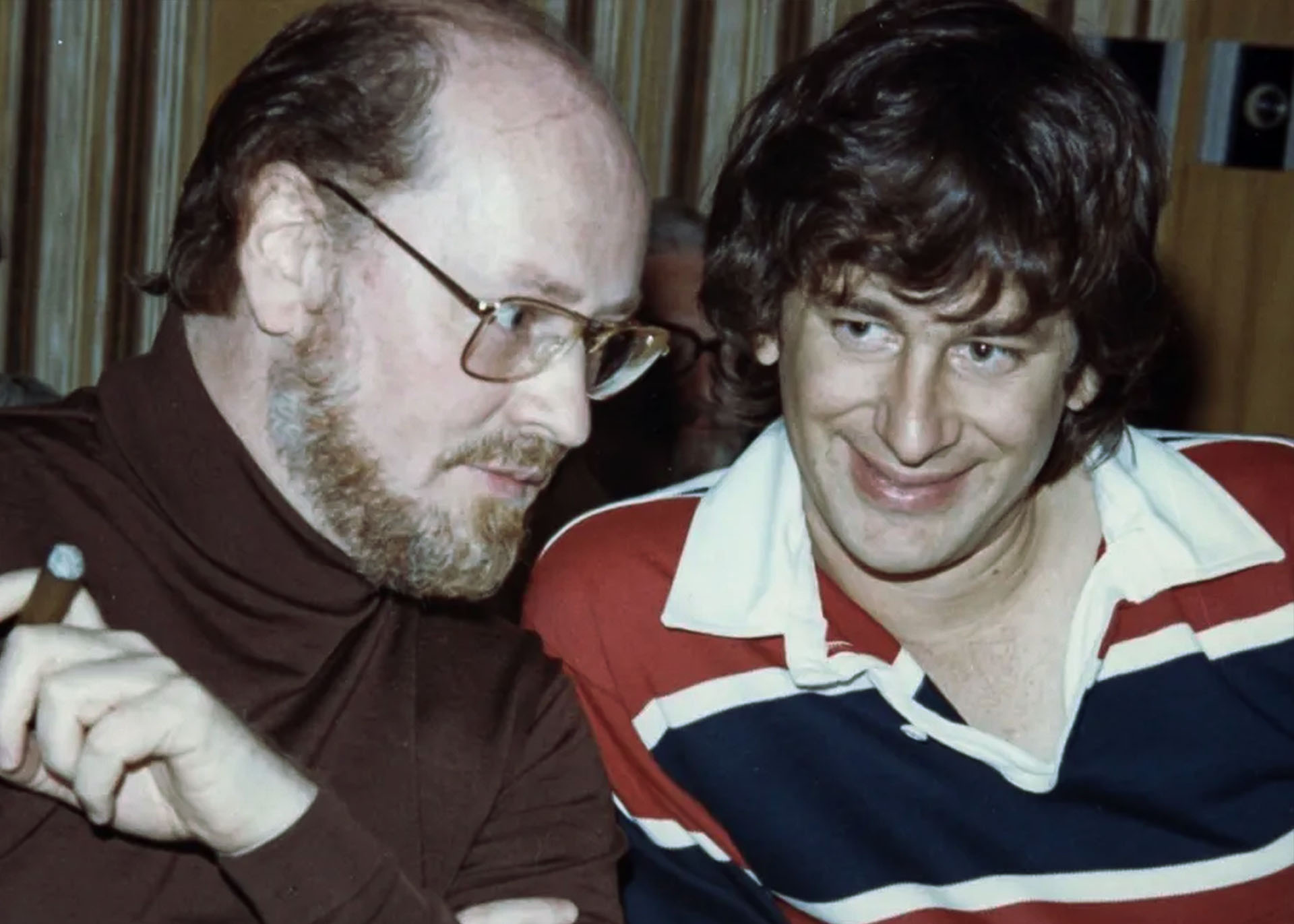
When Music Meets Cinema
Music and cinema are two art forms that, on their own, have the power to evoke emotions, revive memories, and tell stories. But when combined, they create a magic that not only makes films unforgettable but also immerses the audience deeply into the narrative. Legendary director Steven Spielberg once said, “Music is the soul of a film. Without it, a film is merely a lifeless body.” In this article, we explore the profound relationship between music and cinema and how these two arts complement each other.
Music: The Universal Language of Emotion
Music is a language that conveys emotions without the need for words. John Williams, the renowned composer of films like Star Wars and Harry Potter, said, “Music can tell the audience how to feel, even before the story does.” In cinema, music serves as a powerful tool to amplify emotions. For example, in The Godfather, the score by Nino Rota alone communicates feelings of sorrow, love, and tragedy to the audience.
Cinema: Storytelling Through Image and Sound
Cinema is the art of storytelling through visuals, but music breathes life into these images. Alfred Hitchcock, the master of suspense, believed that “music can elevate tension and keep the audience on the edge of their seats.” In Psycho, Bernard Herrmann’s score, with its sharp, rapid notes, injects fear into the hearts of viewers. Without this music, the shower scene would never have become such an iconic moment of terror.
Iconic Collaborations That Made History
Some of the greatest cinematic masterpieces are the result of close collaborations between directors and composers. Here are a few unforgettable partnerships that shaped the world of cinema:
- Alfred Hitchcock & Bernard Herrmann:
Their partnership in films like Psycho and Vertigo showcased how music could elevate suspense and emotion to new heights. - Stanley Kubrick & Wendy Carlos:
Their work in A Clockwork Orange revolutionized the use of electronic music in film, creating a unique and unsettling atmosphere. - Steven Spielberg & John Williams:
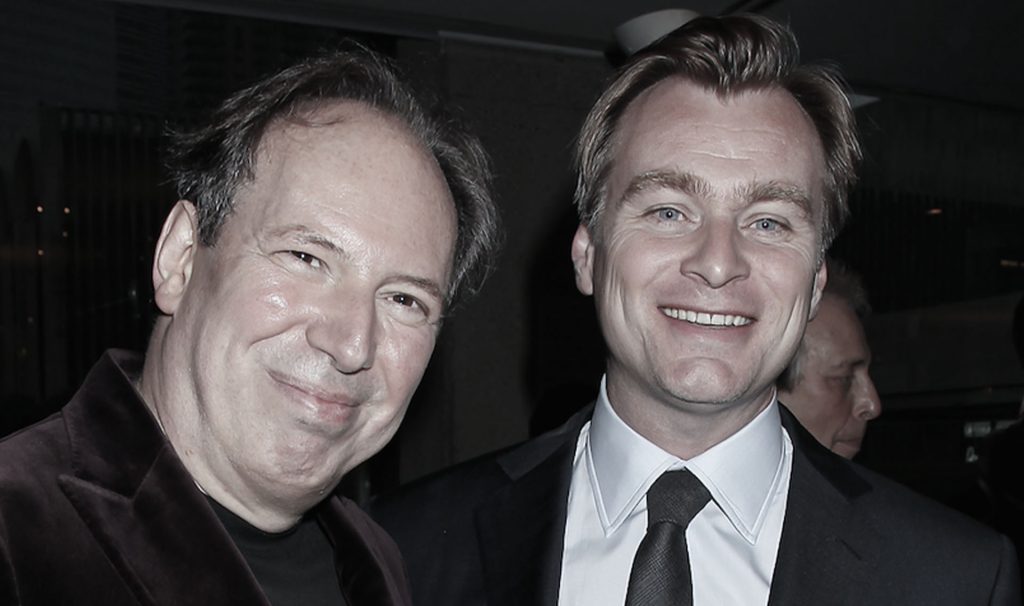
This legendary duo has given us iconic scores for films like Jaws, E.T., and Jurassic Park, where the music became inseparable from the storytelling. - Christopher Nolan & Hans Zimmer:
The collaboration in The Dark Knight brought a powerful, intense score that perfectly matched the film’s dark and gritty tone.
Hans Zimmer once said, “A director and a composer are like two musicians in an orchestra. They must harmonize to create a perfect final piece.”
Music as a Character in Film
In some films, music itself becomes a character. In Amadeus, which tells the story of Mozart, classical music shapes the narrative, defining the characters and their emotions. Similarly, in Fiddler on the Roof, the Jewish folk music not only sets the tone but also reflects the culture and identity of the characters.
The Impact of Music on the Audience’s Experience
Music can completely transform the experience of watching a film. For instance, in Titanic, Celine Dion’s My Heart Will Go On not only became a cultural phenomenon but also stirred emotions in audiences worldwide. James Cameron, the film’s director, said, “It was the music that gave wings to my story and carried it into the hearts of millions.”
Music and Cinema in the Modern Era
In the modern era, music and cinema are more intertwined than ever. Marvel films with Alan Silvestri’s epic scores, or Christopher Nolan’s works with Hans Zimmer’s compositions, are perfect examples of this deep connection. Even animated films like The Lion King or Frozen have left a lasting impact on generations with their unforgettable soundtracks.
Conclusion: Two Arts That Changed the World
Music and cinema are two arts that, when combined, bring stories to life, evoke emotions, and create lasting memories. As Martin Scorsese put it, “Music and cinema are like two wings that allow a bird to soar. Without one, the other is incomplete.” Ultimately, it is this deep, inseparable bond that elevates art to its highest form and brings audiences closer to their dreams.